The Unthinkable Moment
Imagine the scene: It’s the 2008 Singapore Grand Prix, the glitzy night race that had the world watching. But inside the helmet of Nelson Piquet Jr., there was no glamour—only sheer, suffocating terror.
On Lap 14, the young Brazilian driver did something that defies every instinct of a racing driver. He didn’t fight to keep his car on the track. He didn’t wrestle with the steering wheel to save a slide. Instead, with his heart pounding against his ribs and his breath coming in short, panicked gasps, he deliberately drove his Renault R28 into the concrete wall at Turn 17.
He wasn’t making a mistake. He was following an order.
“I was so scared I could hardly breathe,” Piquet later revealed. He had been screaming on the radio just moments before, desperate to confirm he was on the right lap. One mistake in timing could ruin the entire plan. This wasn’t just a crash; it was a heist executed at 100 miles per hour. This is the story of “Crashgate,” the scandal that fixed a Formula 1 race, destroyed careers, and shattered the sport’s innocence.
The Desperate Proposal
To understand why a driver would risk his life and reputation, we have to rewind. By 2008, the Renault F1 team, once a dominant force with back-to-back championships, was floundering. They were fifth in the standings, desperate for a win to justify their budget and keep their star driver, Fernando Alonso, happy.
Nelson Piquet Jr., the son of a three-time World Champion, was in an even more precarious position. He was struggling to match Alonso’s pace, and rumors were swirling that his seat for 2009 was in grave danger. He was vulnerable, insecure, and desperate to prove his loyalty.
That’s when the offer came.
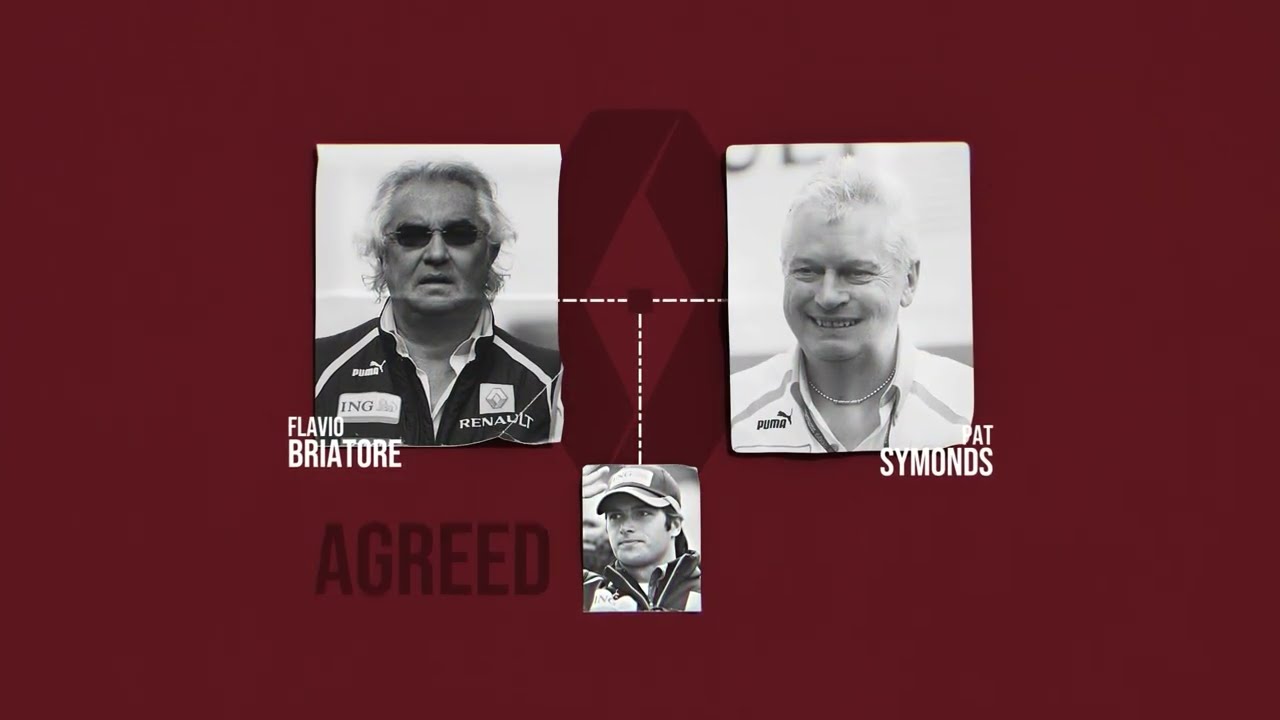
According to investigations, the team’s charismatic but Machiavellian boss, Flavio Briatore, and engineering director Pat Symonds approached Piquet with a chilling proposition: Crash your car. Cause a safety car. Help the team win.
It wasn’t a request; it was an ultimatum wrapped in “team spirit.” If Piquet refused, he feared his F1 dream was over. “I actually felt good to do something for the team,” Piquet admitted later, a heartbreaking testament to the pressure he was under. He didn’t think about the morality or the danger. He just wanted to save his career.
The “Perfect” Trap
The plan was diabolically simple, exploiting a loophole in the 2008 regulations. Back then, when a safety car was deployed, the pit lane was immediately closed. No one could pit for fuel or tires until the pack had bunched up. If you pitted while it was closed, you got a massive penalty.
Renault’s strategy was to bring Fernando Alonso into the pits unnaturally early—on Lap 12. This dropped him to the back of the field, a seemingly nonsensical move. But two laps later, Piquet would crash at a spot on the track—Turn 17—where there were no cranes to quickly remove the car. A safety car would be guaranteed.
When Piquet hit the wall, the trap snapped shut. The pit lane closed. The leaders, running low on fuel, were stranded. They had to wait, ruining their races, or pit and take a penalty. Alonso, having already stopped, cruised past the chaos, inheriting the lead as others fell away.
It worked perfectly. Alonso won the race, Renault celebrated a miracle return to form, and Piquet—the sacrificial lamb—played the part of the devastated rookie who made a rookie mistake.
The Whispers Begin
While the champagne sprayed, not everyone was buying it. In the paddock, eyebrows were raised. Martin Brundle, the sharp-eyed commentator and former driver, noted immediately on air that the crash had “extraordinarily fortunate timing” for Alonso. Other drivers, like Felipe Massa and Nick Heidfeld, sensed something fishy. The coincidence was just too convenient.
But in Formula 1, suspicion is not proof. The idea that a team would order a deliberate crash was considered too insane, too dangerous to be real. It was unthinkable. So, Renault got away with it.
For a while.
The Truth Explodes
The silence broke a year later, in 2009. Piquet Jr. had been unceremoniously fired by Renault mid-season. Feeling betrayed by the very people he had compromised his integrity for, he decided he had nothing left to lose. He went to the FIA, the sport’s governing body, and spilled everything.
He revealed the meeting, the order, and the specific lap. But allegations are just words. The FIA needed hard evidence. They found it in the data.
Modern F1 cars are covered in sensors. When investigators pulled the telemetry from Piquet’s car on that fateful lap in Singapore, they found the “smoking gun.”
In a normal spin, a driver instinctively lifts off the throttle the moment they lose control. It’s a survival reflex. But Piquet’s data showed something chilling: as the car began to slide, he didn’t lift. He pressed the accelerator harder. He kept his foot planted firmly on the gas pedal even as he careened toward the wall.
“No normal driver would do that,” Piquet told investigators. The data didn’t lie. This was no accident; it was a deliberate act of destruction.
The Fallout
The consequences were seismic. In September 2009, faced with overwhelming evidence—including the testimony of a secret “Witness X” who had overheard the plot—Renault didn’t even try to fight the charges.
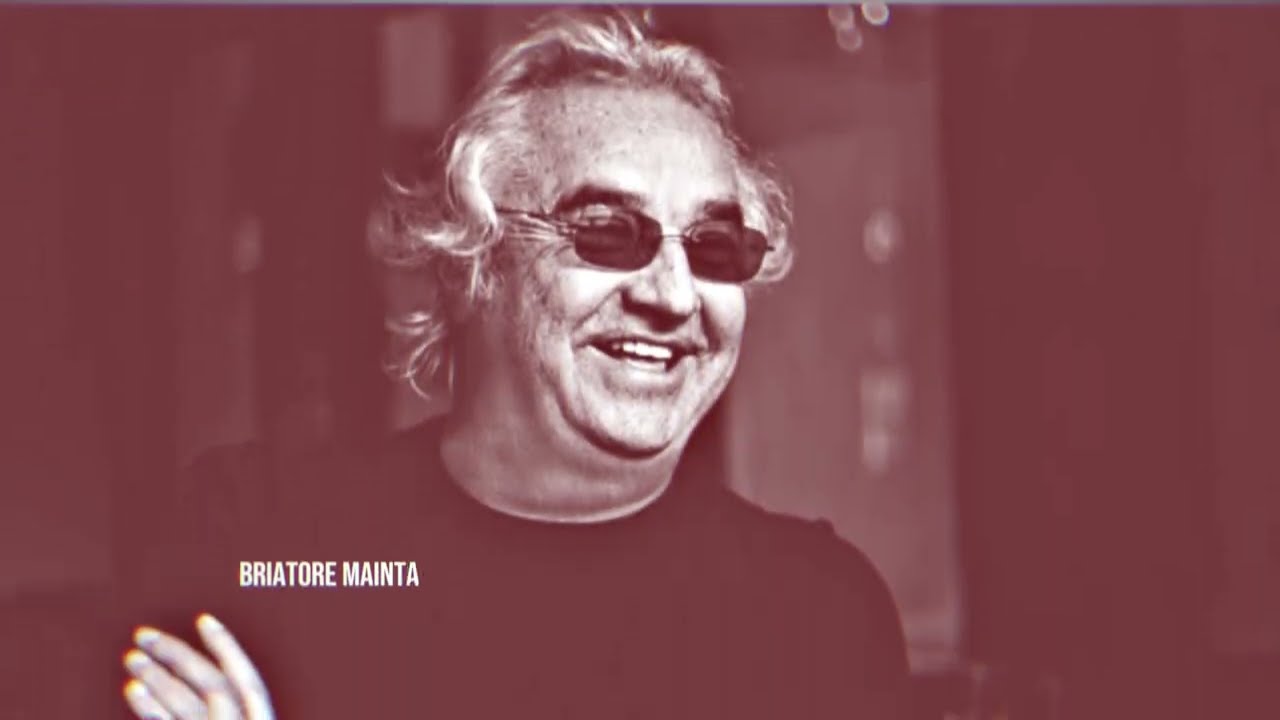
The punishment was swift. Flavio Briatore was handed an indefinite ban from the sport (though later overturned in civil court, he remained an outcast for years). Pat Symonds received a five-year ban. Renault lost major sponsors like ING, costing them tens of millions of dollars and permanently damaging their brand.
But the saddest casualty was Piquet himself. By exposing the cheat, he had made himself “unemployable.” No team wanted a driver who had admitted to fixing a race and betraying his employers. His F1 career was dead at 24.
A Legacy of Lost Innocence
“Crashgate” did more than just change the record books; it changed the soul of the sport. It shattered the assumption that what we see on track is real. It proved that in the high-stakes world of Formula 1, the hunger for victory could push teams to risk lives.
Today, Nelson Piquet Jr. has found redemption as a Formula E champion, and the other key players have slowly crept back into the motorsport world. But the scar remains. The 2008 Singapore Grand Prix stands as a monument to how far ambition can go before it turns into madness.
It was a race won not by speed, but by a young man terrified for his future, driving straight into a wall because he was told it was the only way to win.
News

Inside Shane Richie’s love life: Drug – fuelled orgy with six blondes; real reason he split from Coleen Nolan; six-year ‘affair with fan’
Inside Shane Richie’s love life: Orgy with six blondes; real reason he split from Coleen Nolan; six-year ‘affair with fan’ He’s popular with the ladies… Shane Richie…

SH0CKING REVELATI0N:A sh0cking behind-the-scenes secret revealed about Lizzie Rizzini, the woman replacing Carol Kirkwood on the 6pm weather bulletin
BBC viewers still reeling from the departure of Carol Kirkwood got another surprise last night when presenter Lizzie Rizzini appeared to flash her black lace stockings on…

HEARTBREAKING: Peter Andre’s Tearful Message to Son Junior After SHOCKING Revelation About How He Truly Feels Toward Mum Katie Price — Katie Price’s reaction scares fans.
Peter Andre’s emotional message to son Junior after it’s revealed how he really feels about mum Katie Pri… PETER Andre has shared an emotional message to his…

Ben Shephard opens up about the devastating health battle his wife is facing: “She wakes up crying every single morning…”
Inside This Morning Ben Shephard’s Life Including Rarely Seen Wife and Health Battle Ben Shephard is a name synonymous with British television, renowned for his engaging presentation…

🚨 LIVE TV HEARTBREAK: Good Morning Britain Host Announces ‘Devastating’ Dɘath of Guest Minutes Into Show
Viewers of Good Morning Britain were met with heartbreaking news just minutes into Friday’s (January 30) episode, as co-hosts Kate Garraway and Ranvir Singh reported the tragic…

Emmerdale legend Cain Dingle will never be the same again after a shock cancer diagnosis turns his world upside down
FROure Desk. Full Terms and conditions are available on the website http://www.itv.com/presscentre/itvpictures/terms Emmerdale wouldn’t be Emmerdale without the glowering, grunting embodiment of manliness that is Cain Dingle (Jeff Hordley) But…
End of content
No more pages to load






