The roar of the engines in Barcelona didn’t just signal a new season; it heralded a fundamental shift in the DNA of Formula 1. As the 2026 shakedown concludes, the “Big Bang” fears of a 2014-style reliability disaster have largely been extinguished, but in their place, a new and perhaps more intimidating reality has emerged. The hierarchy of the grid is being torn up and rewritten in real-time, leaving fans and analysts scrambling to decipher a “huge bank of fog” created by inconsistent testing programs and a controversial FIA fuel exemption.
While the official narrative from Formula 1 management has been carefully manicured to present a polished image of success, the raw data and “vibe” from the pit lane tell a much more nuanced story. This wasn’t just a test of speed; it was a test of operational resilience, systems integration, and sheer confidence. From the teams that arrived looking like polished champions to those who chose to skip the event entirely, the early winners and losers of the 2026 era have finally stepped into the light.
The Powerhouses: Mercedes and Ferrari Flex Their Muscles
If there is one takeaway that has the rest of the paddock looking over their shoulders, it is the “terrifying” composure of Mercedes. Avoiding the “test liveries” or “safe versions” seen elsewhere, the Silver Arrows flaunted their definitive 2026 machine with an intimidating level of openness. Amassing a staggering 1,132 laps across their works and customer teams, Mercedes isn’t just bug-fixing; they are already “speed hunting.” George Russell looks remarkably calm, and Kimi Antonelli is finding his groove with ease. The sheer volume of data they’ve collected gives them a massive head start in finding the limits of performance while others are still trying to keep their engines from stalling.
Not far behind, and perhaps even more surprising, is the quiet but solid resurgence of Ferrari. Running what many believe to be an “A-spec” or safer version of their car, the Scuderia logged the second-highest lap count and finished the week with the fastest overall time. More importantly, the atmosphere within the team has shifted. Lewis Hamilton, fulfilling a childhood dream in the scarlet red, appears “perky” and genuinely happy with the car’s handling. For the “Tifosi,” seeing Hamilton top the charts—even with the caveats of testing—provides a much-needed shot of adrenaline after years of chasing ghosts. Ferrari’s ability to gather crucial wet-weather data while others remained in the garage could prove to be a decisive advantage in the opening rounds of the championship.
Red Bull’s New Chapter and the Alpine “Trick”
For the first time in their history, Red Bull is truly the master of its own destiny with its in-house Ford power unit. Despite an early scare involving a sizable crash for Isack Hadjar, the team proved its operational resilience. Max Verstappen emerged from the cockpit with a “fairly solid yes” regarding his satisfaction with the new hardware. By amassing over 620 laps and successfully stress-testing their workflows after the crash, Red Bull has proven that they are not just “title hunters” in name, but a formidable technical entity. The reliability of the Red Bull-Ford unit has been a pleasant surprise, shifting the focus from “will it run?” to “how fast can we make it?”
Meanwhile, Alpine has become the dark horse of the test. Often ignored after a lackluster previous season, the team turned heads with a radical “collapsing” rear wing design that looks to maximize straight-line speed in a way no other team has attempted. By switching to Mercedes power and integrating it seamlessly, Alpine managed to put in massive mileage, with Pierre Gasly clocking 164 laps on the final day alone. Their focus on energy recovery and battery management suggests a team that has found a specific technical niche to exploit, potentially launching them back into the competitive midfield or higher.
The “Too Early to Call” Group: McLaren and Aston Martin
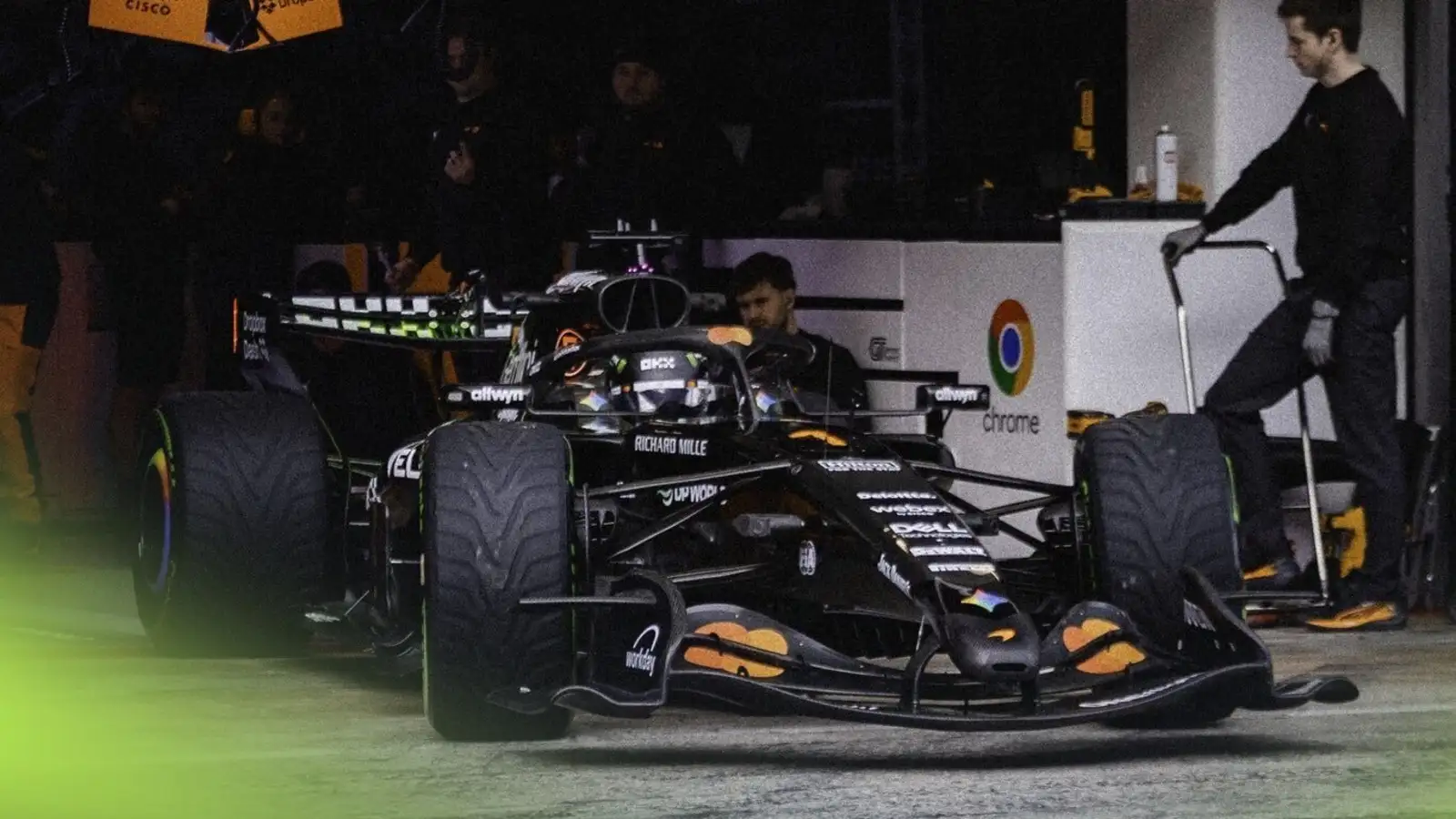
Not everyone left Barcelona with a clear trajectory. McLaren, usually slow starters in testing, lived up to that reputation by delaying their car’s debut and suffering a fuel system issue that hampered their mileage. While they aren’t in “alarm” territory yet, they are openly admitting to a steep learning curve regarding the new Mercedes power unit’s electrical demands. They look decent, but they aren’t the favorites—at least not yet.
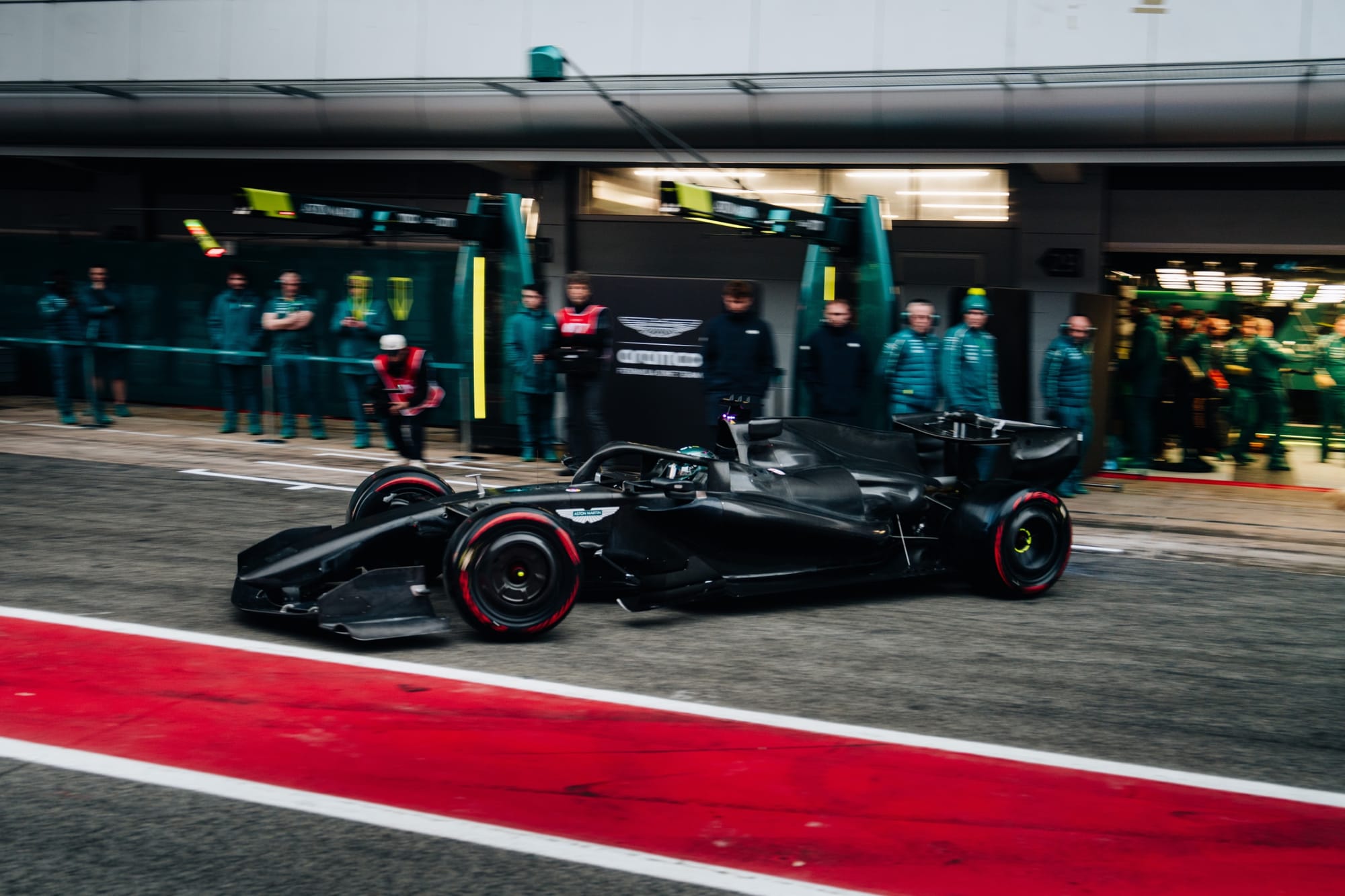
Aston Martin remains the biggest enigma of all. With the “radical and wild” design of Adrian Newey finally hitting the track, expectations were sky-high. However, the team was seen running significantly slower than the rest of the pack in speed traps—sometimes by as much as 30 mph. Was this a genuine lack of pace, or a masterclass in “sandbagging” to keep their true potential hidden until Bahrain? With Newey at the helm, rivals are terrified that the “throttled” performance is merely a smokescreen for a car that could redefine aerodynamic efficiency.
The Losers: Broken Dreams and Empty Garages
The most glaring “losers” of the shakedown were undoubtedly Williams and Audi. Williams’ decision to skip Barcelona entirely was a “smart but painful” tactical retreat. While James Vowles insists the team is prioritizing 2028 and avoiding early-season readiness risks, the lack of physical track time is a massive blow. Relying solely on “digital twins” and virtual testing is a gamble that could leave Alex Albon and Carlos Sainz on the back foot when they finally arrive in Bahrain.
For Audi, the transition has been anything but smooth. Despite the hype surrounding their entry, the team was plagued by “power unit-related gremlins” and frequent red flags. Team Principal Mattia Binotto has been brutally honest, admitting there is a “very long list of things to do.” Nico Hulkenberg’s admission that he feels “completely lost” with the new regulations is a concerning sign for a manufacturer that expects to be winning by 2030. They managed to salvage some laps by Friday, but the “sheen” of their debut has certainly been dulled.

A Narrative Under Siege
Perhaps the most controversial loser of the week was Formula 1 itself. The decision to publicize a “shakedown”—traditionally a private, team-funded event—as a major media spectacle led to a “compromised mess.” Fans were forced to rely on “people up in trees” for lap times because official channels refused to provide transparent data. This fixation on “content over substance” has raised serious questions about the narrative Formula 1 is trying to paint for casual fans versus the technical reality of the sport.
As the circus moves toward the official pre-season test in Bahrain, the “fog” may begin to lift. But for now, the message from Barcelona is clear: the 2026 era will reward the prepared, punish the hesitant, and likely provide the most unpredictable season of racing in a generation. The game has changed, and the stakes have never been higher.
News

Inside Shane Richie’s love life: Drug – fuelled orgy with six blondes; real reason he split from Coleen Nolan; six-year ‘affair with fan’
Inside Shane Richie’s love life: Orgy with six blondes; real reason he split from Coleen Nolan; six-year ‘affair with fan’ He’s popular with the ladies… Shane Richie…

SH0CKING REVELATI0N:A sh0cking behind-the-scenes secret revealed about Lizzie Rizzini, the woman replacing Carol Kirkwood on the 6pm weather bulletin
BBC viewers still reeling from the departure of Carol Kirkwood got another surprise last night when presenter Lizzie Rizzini appeared to flash her black lace stockings on…

HEARTBREAKING: Peter Andre’s Tearful Message to Son Junior After SHOCKING Revelation About How He Truly Feels Toward Mum Katie Price — Katie Price’s reaction scares fans.
Peter Andre’s emotional message to son Junior after it’s revealed how he really feels about mum Katie Pri… PETER Andre has shared an emotional message to his…

Ben Shephard opens up about the devastating health battle his wife is facing: “She wakes up crying every single morning…”
Inside This Morning Ben Shephard’s Life Including Rarely Seen Wife and Health Battle Ben Shephard is a name synonymous with British television, renowned for his engaging presentation…

🚨 LIVE TV HEARTBREAK: Good Morning Britain Host Announces ‘Devastating’ Dɘath of Guest Minutes Into Show
Viewers of Good Morning Britain were met with heartbreaking news just minutes into Friday’s (January 30) episode, as co-hosts Kate Garraway and Ranvir Singh reported the tragic…

Emmerdale legend Cain Dingle will never be the same again after a shock cancer diagnosis turns his world upside down
FROure Desk. Full Terms and conditions are available on the website http://www.itv.com/presscentre/itvpictures/terms Emmerdale wouldn’t be Emmerdale without the glowering, grunting embodiment of manliness that is Cain Dingle (Jeff Hordley) But…
End of content
No more pages to load






