Author: bang5

  • Martin Kemp drops huge marriage bombshell: ‘I doubt very much if me and Shirlie are married’

    Martin Kemp drops huge marriage bombshell: ‘I doubt very much if me and Shirlie are married’

    Got wed in 1988… or did they?

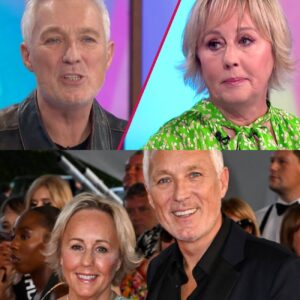
    Martin Kemp revealed a shocking truth about his marriage to wife Shirlie during an appearance on Good Morning Britain today.

    Spandau Ballet star Martin, 63, and Wham! dancer Shirlie Kemp got wed in 1988. The couple share two children together, including radio DJ Roman Kemp, who has appeared on the Celebrity Gogglebox sofa with this dad. Their elder daughter, Harley Moon, has recently been working with Martin, too.

    But even though his family unit couldn’t appear any tighter, it sounds as if Martin may not have taken a very close look at what he was signing up for when he and Shirlie tied the knot.

    Martin Kemp smiles alongside wife Shirlie Kemp
    Martin Kemp and wife Shirlie Kemp had their marriage in 1988… or did they? (Credit: Splashnews.com)

    Martin Kemp on his marriage

    Speaking on Thursday’s (June 19) GMB, Martin seemed to ponder whether his marriage might actually be legally binding.

    And although it may be that he may not be familiar with all the paperwork that comes with getting married, former EastEnders star Martin Kemp certainly has happy memories of his and his bride’s luxurious wedding ceremony.

    He recalled: “Shirlie and I, we got married in St Lucia on a cliff top overlooking the Caribbean. It was beautiful.

    “But there was one lady there. The ceremony was about as quick as: ‘Martin, do you love Shirlie?’ – ‘Yes’. ‘Shirlie, do you love Martin?’ – ‘Yes.’ ‘You’re married!’”

    Amid all the excitement, Martin apparently remains unsure whether they fulfilled all the necessary nuptials admin.

    Who needs a piece of paper when you love each other?

    He went on: “I don’t think we’ve ever got the actual paper to say that we’re married. But listen, who needs a piece of paper when you love each other?”

    ‘I doubt very much if we are married’

    Even though Martin could’ve answered his own question with the word ‘lawyers’, it isn’t the first time he’s shared an eyebrow-raising anecdote about his marriage.

    Indeed, earlier this month, he admitted to ‘doubts’ during a radio chat as he recalled Shirlie’s arrival on their big day.

    Martin told BBC Radio 2’s Vernon Kay: “I’m waiting for Shirlie, and Shirlie turns up in this old pickup truck coming up the hill. And she climbs out in this tiny white mini dress, with big high heels on. And she’s hobbling up to the point where we’re going to get married.”

    He added: “To this day, Vernon, I doubt very much if we are married.”

    Martin Kemp smiles alongside wife Shirlie Kemp
    The couple share two adult children together (Credit: Splashnews.com)
    Meanwhile, Shirlie has previously revealed George Michael had a huge role in her and Martin getting together.

    Martin had given Shirlie his phone number after being invited to an event by George, introducing the two.

    However, George had to encourage her to make her move.

    She admitted to the Mirror: “I thought [Martin] might be out of my league. I left his number in my pocket for ages. George was, like: ‘I just don’t understand why you’re not calling him.’

    “I told him it was intimidating to call him. I mean, he was – he is – just so gorgeous. It was George who called Martin in the end. We were in his bedroom, and he picked up the phone, dialled the number and just gave me the phone. I was in at the deep end by then.”

  • King Charles surprises all with unexpected yet thoughtful insight on Queen Camilla

    King Charles surprises all with unexpected yet thoughtful insight on Queen Camilla

    King Charles has shared his thoughtful nature

    King Charles has shared a sweet insight into just how well he knows his wife Queen Camilla. The monarch made the comment whilst recently chatting to winners of The King’s Award.

    It was here he highlighted just how in the know he is when it comes to his wife’s likes and dislikes…
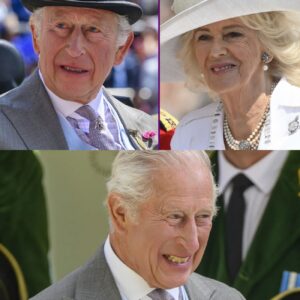
    King Charles smiling at Royal Ascot 2025King Charles is very tapped in to what his wife likes (Credit: Cover Images)

    King Charles shares glimpse into close bond with wife Queen Camilla

    Amongst those who won the King’s Award, an award given to UK businesses for outstanding achievements in categories like sustainability and innovation, was Lisa Kay, who is the founder of Queen Camilla’s favourite footwear brand, Sole Bliss.

    Lisa, who was honoured with the King’s Award for Enterprise, spoke with Charles about Camilla’s love for their shoes.

    “Her Royal Highness has purchased our shoes, so hopefully she finds them comfortable,”  Daily Mail reports.

    King Charles’ reaction highlights just how much attention he pays to his wife.

    “She likes a heel that’s not too narrow,” he told Lisa.

    It gets a bit harder to walk in heels as you get older.

    Lisa then agreed that Camilla is a fond of a style called a block heel. The King then exclaimed, “Yes, a block heel!”

    Block heels are known for giving a timeless look whilst also being easier to walk in than narrow styles.

    The block heel is wider, allowing more stability.

    Charles continued: “It gets a bit harder to walk in heels as you get older.”

    Queen Camilla in a green dress beside King Charles at Royal Ascot 2025The king and queen are attending Royal Ascot this week (Credit: Cover Images)

    Queen Camilla’s ‘favourite’ shoe brand

    Woman&home’s Fashion Ecommerce Editor Caroline Parr has chimed in on Camilla’s favourite shoe brand.

    She said: “As well as Queen Camilla, British brand Sole Bliss can count the likes of Helen Mirren and Julia Roberts as fans. And it’s easy to see why – it’s one of the few shoe labels that really puts your feet first.”

    Camilla is reportedly a huge fan of Sole Bliss and has a growing collection since rocking the brand for the first time in 2018.

    Lisa had only founded the brand a year before, so seeing them being so loved by a member of the royal family was a huge shock.

    Camilla has now been spotted wearing them more then 80 times over the past seven years.

    Lisa founded her brand after struggling to find shoes that were comfortable to wear with bunions and wider feet.

    “Women generally just need comfort, so you’re not thinking about your feet, you’re thinking about where you are and what you’re doing. It’s for every job really – but especially royalty,” she told Marie Claire.

    Discussing her award, she said: “Walking through Windsor Castle to receive this honour from The King, knowing that my shoes have walked these same corridors on Queen Camilla’s feet dozens of times, felt like the ultimate full-circle moment.”

    Read more: Moment Queen Camilla ‘warned’ King Charles caught on camera: ‘Don’t walk away’

  • Bradley Walsh on spending ‘time apart’ from wife of 30 years

    Bradley Walsh on spending ‘time apart’ from wife of 30 years

    Donna is a celeb in her own right and the driving force behind his career

    The Chase presenter Bradley Walsh previously opened up about the sacrifices behind his successful career, including a period of separation from his wife, Donna Derby.

    The couple married in 1997 and have built a strong partnership.

    The presenter – who returns with The Chase this weekend (June 15) – reflected on how his wife has supported his career over the years.

    Bradley Walsh on The Chase
    Bradley is best known for his presenting role on The Chase (Credit: ITV)

    TV host Bradley Walsh met his wife three decades ago

    Bradley and Donna Walsh first met in 1992 and tied the knot five years later.

    In 2004, Bradley’s career took a major leap when he was cast as Danny Baldwin in Coronation Street.

    The role required him to film in Salford, while Donna and their young son Barney remained at their home in the south.

    Reflecting on that period, Bradley shared with The Mirror: “I wouldn’t swap my missus for the world. Donna isn’t just beautiful; she’s the most fantastic wife and mother.

    “It’s because of her I signed with Coronation Street. She’s the one who recognised what it could do for me, even though it would mean being apart.”

    Despite the distance, the couple’s bond remained strong. While Bradley was forging his path on-screen, Donna also had her moment in the spotlight. As a choreographer and former dancer, she famously appeared in Robert Palmer’s 1988 music video for Simply Irresistible.

    Their son Barney has also dipped his toe into the entertainment industry.

    Bradley often credits Donna with keeping him grounded. In a 2016 interview with Huffington Post, he claimed that he offers “love, stability, and reliability” while she keeps him in check.

    Bradley Walsh and wife Donna on the red carpet
    Bradley and Donna have been together since 1992 (Credit: SplashNews)

    Bradley made an offer that was refused

    The Walsh family lives in a £2.5 million barn conversion in Epping, Essex.

    Recalling how they found their dream home, Bradley opened up to The Telegraph: “My wife Donna and I were out house hunting one day in Chigwell, Essex.

    “She liked the look of a house that wasn’t on the market, so we put a note through the door to ask if the owners were considering selling.

    “They later contacted us and said no, but they knew of a similar house that was for sale, so we saw it and bought it. I know it is a good investment and legacy for my family.”

    Bradley’s entertainment career has spanned decades, from roles in Doctor Who spin-off The Sarah Jane Adventures to Law and Order UK and his long-running success with The Chase.

    Throughout it all, Donna has been his rock, helping him balance the demands of work and family life.

  • James Prime dead: Deacon Blue star dies aged 64 after battling cancer

    James Prime dead: Deacon Blue star dies aged 64 after battling cancer

    Deacon Blue have confirmed the sad news that James Prime has died following a short battle with cancer, just days after they announced he was in hospital

    James Prime of Deacon Blue has died aged 64, the band have confirmed following a short battle with cancer. In recent weeks, keyboard player James, who had been with the band since the Eighties, had become unwell and was taken to the hospital, where he was receiving care, now known to be for his cancer.

    In a statement on Thursday confirming the sad news of his death, the band said: “We announce with great sadness that our brother, James Prime, passed away this morning after a short struggle with cancer.

    “Thank you so much for the messages of support that you shared over the last two weeks, they meant so much to Jim, his family and us.” The heartbreaking news comes just days after James was receiving care in the hospital after falling seriously ill. The band shared last week: “Unfortunately, he is seriously ill and undergoing care in hospital. We would like you to join us in wishing him well and to share your love with him.”

    The band – also comprising Ricky Ross, Lorraine McIntosh, Dougie Vipond, Gregor Philp, Lewis Gordon and Tom Gordon – insisted they were given their bandmate’s “full blessing” to go on tour without him.

    This Morning: Aviation experts discuss the risks of flying

    Deacon Blue have confirmed that James Prime has sadly died aged 64
    Deacon Blue have confirmed that James Prime has sadly died aged 64

    It continued: “We spoke to Jim yesterday about Deacon Blue’s plans for the rest of the year, and he encouraged us to continue with love in our hearts and with his full blessing that the shows go ahead, even if it means replacing the irreplaceable James Miller Prime for the time being.

    “Together with Jim’s family, we want to thank all the nurses, doctors and ICU staff for their ongoing care, professionalism and compassion.”

    Fans have since rushed to social media to offer their condolences, with one writing: “Absolutely heartbroken for you all. This is incredibly, incredibly sad. What a talent and an absolute gent of a man. Rest in eternal peace, Reverend Doctor James Miller Prime.”

    The musician was receiving care in hospital
    The musician was receiving care in hospital
    A second penned: “Sending love to all of you and the Prime family! So many memories, what a talented human being he was! The sounds he created will be remembered and enjoyed for an eternity.” Another typed: “This is such sad news and I’m so sorry to hear. Thank you James for your brilliance. Sending much love to all who loved him.”

    Telly star Jenni Falconer said: “Oh no, this is so sad. Thinking of you all.” Meanwhile, musician Pete Wilkinson commented: “Oh no, I’m so sorry to hear this, my deepest condolences and love to his family, DB and all his friends. Heartbreaking. I learnt so much about what a piano and keyboards can do from his wonderful playing. Completely influenced my work. Thanks for the beautiful music James Prime and your everlasting smile and spirit. Your spirit lives on forever Sir RIP.”

    James, who was born in Kilmarnock and also worked as a university lecturer, had been with Deacon Blue since its inception in the 1980s.

    Fans have since paid tribute to James on social media
    Fans have since paid tribute to James on social mediaThe band is known for their chart-topping hits such as Dignity, Chocolate Girl and Real Gone Kid. The band has undergone several line-up changes over the years, with past members including Graeme Kelling, Ewen Vernal, Mick Slaven, Scott Fraser, Taj Wyzgowski, Ged Grimes and Chris Henderson.

    Deacon Blue’s 1987 debut album Raintown reached number 14 in the UK Albums Chart. Their 1989 follow-up When the World Knows Your Name hit number one, with its lead single Real Gone Kid nominated for British Single of the Year at the Brit Awards, ultimately losing to Perfect by Fairground Attraction.

    After a hiatus in 1994, the band reunited in 1999 and have remained active ever since.

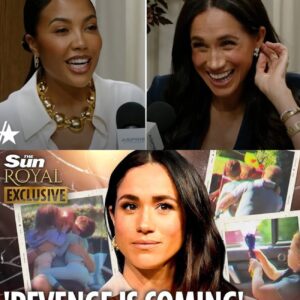
  • MEGHAN’S ‘TWERK-GATE’ EXPLOSION! Duchess in Labour Twerking Video Sparked ROYAL OUTRAGE as Critics Brand Her ‘Authenticity’ A FAKE! Is The Sussexes’ ‘Privacy’ Claim A ROYAL JOKE As Baby Pics Flood Instagram For ‘Currency’? Experts Claim Couple’s Credibility CRUMBLING As King Charles’s Heartfelt Tribute Exposes Their Manufactured Façade!

    MEGHAN’S ‘TWERK-GATE’ EXPLOSION! Duchess in Labour Twerking Video Sparked ROYAL OUTRAGE as Critics Brand Her ‘Authenticity’ A FAKE! Is The Sussexes’ ‘Privacy’ Claim A ROYAL JOKE As Baby Pics Flood Instagram For ‘Currency’? Experts Claim Couple’s Credibility CRUMBLING As King Charles’s Heartfelt Tribute Exposes Their Manufactured Façade!

    The carefully constructed façade of the Duke and Duchess of Sussex has, once again, been spectacularly shattered! Just last week, in a move that sent shockwaves through royal circles and social media alike, Meghan Markle reportedly broke her silence on the infamous twerking video she audaciousIy posted to Instagram while in labour with daughter Lilibet! Yes, you read that right. While the nation was still reeling from the sheer audacity of such a public display during an intensely private moment, Meghan emerged to declare her actions were a “great reminder that with all the noise or whatever people do, there’s still a whole life, a real authentic fun life that’s happening behind the scenes.”

    Meghan Markle Reacts to TWERKING VIDEO Going Viral

    Her pronouncements, shared during a carefully curated return to social media, were met with immediate, searing scepticism. “The last thing that struck me was authenticity!” scoffed one furious commentator. “It all seemed to be a really sort of, uh, I don’t know, choreographed, almost, moment of spontaneity that she showed.”

    This “twerk-gate” fiasco has become the latest, most explosive piece of evidence in a growing pile of accusations against the Sussexes: that their carefully crafted narrative of “authenticity” and “privacy” is nothing more than a thinly veiled charade designed to control their public image and, crucially, maintain their lucrative media empire.

    The timing of Meghan’s social media resurgence, following a period of relative quiet, raised eyebrows. Her stated desire for a platform to “share it on my own terms” rings hollow when viewed through the lens of her previous, often contradictory, statements. As one eagle-eyed observer pointed out, Meghan has repeatedly claimed her deepest desire is for people to “tell the truth.” Yet, critics argue, her own truth has been a moveable feast, tailored to suit the prevailing narrative.

    Meghan Markle REACTS To Her Pregnant Dance Video Going Viral

    Recall the notorious claims from their Netflix documentary, where Meghan painted a picture of herself eating “TV dinners” and living a life of humble beginnings. This narrative was swiftly and publicly debunked by her own brother, who blasted it as “a load of rubbish, we weren’t poor at all!” And who could forget the astonishing assertion that she “never knew who Prince Harry was” before their fateful meeting? A claim that stretched credulity beyond breaking point for anyone with even a passing awareness of the global phenomenon that is the British Royal Family.

    “She knows that people can see right through all of her fakery, and it’s coming undone. It really is,” declared a pundit, reflecting the growing public fatigue with what many perceive as a relentless campaign of self-promotion thinly disguised as raw honesty.

    The drama intensified just days later, coinciding with Father’s Day, when the Sussexes released an array of “never before seen footage of Prince Harry playing with their two children.” The irony was not lost on a public constantly reminded of the couple’s fervent pleas for “privacy.”

    “I thought they wanted privacy?” came the incredulous cry from a commentator, perfectly encapsulating the widespread exasperation. “Once again, this is an example of them saying one thing and doing the other. She’s using her family now as currency. She’s obviously addicted now to the sugar hit of the likes that she’s getting because she’s starting to release more of this stuff on Instagram.”

    The cynical view is that these intimate family moments, once fiercely guarded, are now being strategically deployed as “crisis management” tools, wheeled out whenever the couple’s popularity wanes or their narrative faces public scrutiny. The hypocrisy, critics argue, is staggering. If security is such a paramount concern, why risk exposing the children’s faces to millions? “If they really were so concerned about the security of their family, why would she be releasing pictures of the children’s faces the way she’s doing now?” a sharp-tongued analyst demanded, pointing out that Meghan had previously been in a “phase of covering them up.”

    Beyond the strategic deployment of their children, a more personal, and perhaps more damning, critique emerged: “I also want to point out to Meghan, that’s not your father, that’s your husband. How about repair the relationship with your own father, Meghan? Because that would be the one I would think I would appreciate seeing a post of her with her own dad.” The chasm between Meghan and her estranged father, Thomas Markle, has been a painful public saga, and the perceived selective celebration of fatherhood only served to highlight this unresolved family drama. “It’s again just, I think, an example of her being manipulative and using her family to get what she wants, and that is the attention which she’s getting.”

    Meghan Markle's 'fakery' becoming 'undone' after exploiting twerking video - YouTube

    In stark, poignant contrast, King Charles III shared his own “touching Father’s Day message.” His social media tribute featured heartfelt throwback photos: himself and Princess Anne as children, joyfully playing on swings, pushed by their late father, Prince Philip. Another image captured Queen Camilla with her late father, Major Bruce Shand, on her wedding day. These genuine, unvarnished glimpses into royal family life resonated deeply, underscoring a sense of authentic connection and respect for lineage.

    “I found these a really touching tribute in contrast to perhaps what Meghan had to share,” observed a commentator, succinctly capturing the mood. “It seems and feels and probably is authentic.”

    The dream of a repaired relationship between Prince Harry and the Royal Family, once held by many, now seems increasingly distant. Harry’s explosive memoir, Spare, and his relentless public criticisms have, in the eyes of many, “damaged it beyond repair.” The ongoing saga of security concerns, cited as a reason for their continued estrangement, also faced sharp questioning in light of the new, highly public family photos. “If they really were so concerned about the security of their family, why would she be releasing pictures of the children’s faces the way she’s doing now?” The inconsistency, critics argue, speaks volumes.

    The “twerk-gate” video, whether real or a sensationalized fabrication for public consumption, has served to amplify the core concerns about the Sussexes’ credibility. Their cries for privacy ring hollow against the backdrop of carefully choreographed media releases. Their claims of authenticity are undermined by perceived contradictions and selective truths. As the public grows weary of what feels like a never-ending media circus, the question remains: Can the Duke and Duchess of Sussex ever truly rebuild trust when their actions so frequently contradict their words? Or are they forever destined to be caught in a relentless cycle of self-promotion, forever chasing the “sugar hit of the likes,” at the expense of their own credibility and, perhaps, genuine happiness? The spotlight, it seems, remains firmly on them, for better or worse.

  • WEDDING SHOCKER! MODEL DITCHES WHITE DRESS FOR TRACKSUIT! Loose Women React to Bridal Rebellion: Is Tradition TRASH? From Fairytale Gowns to Comfy Casual, Have Brides Finally Said ‘I Do’ to Doing What They Want?

    WEDDING SHOCKER! MODEL DITCHES WHITE DRESS FOR TRACKSUIT! Loose Women React to Bridal Rebellion: Is Tradition TRASH? From Fairytale Gowns to Comfy Casual, Have Brides Finally Said ‘I Do’ to Doing What They Want?

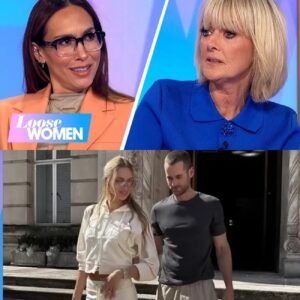
    Forget the fairytale gowns and towering heels – a radical new bridal trend is sweeping the nation, leaving traditionalists aghast and comfort-seekers cheering! A model and former Made in Chelsea star has gone viral after ditching the conventional white wedding dress for her ceremony, opting instead for a comfortable tracksuit! The groom joined in the casual vibe, and the bride, Aanthy Rose, explained her choice simply: she wanted to be “comfy and chilled.”

    Do You Have Wedding Dress Regrets? | Loose Women

    This sartorial rebellion sparked an immediate and passionate debate on Loose Women, with the panel weighing in on whether this is a refreshing step forward for modern matrimony or a bridge too far.

    One panelist, who confessed she’d been “thinking about it for 32 years now” without tying the knot, enthusiastically endorsed the tracksuit idea. “I love the tracksuit idea, I would go for that 100%!” she declared, adding a crucial caveat: “I don’t think I’d do the heels! I think if I was going to go tracksuit, I would do the full thing.” Her reasoning was simple: “I think she’s comfy.” She then delivered a hilarious, self-deprecating punchline about her own wedding dress from a past marriage: “My dress took longer to make than the wedding lasted, than the marriage lasted, really! Not joking!”

    Wedding Dress Regrets | Tythe Brides Share Their Insights

    The conversation quickly transcended mere fashion, delving into the deeper implications of wedding traditions. “There’s so many things that we’ve inherited from tradition,” a panelist mused, listing common practices like “the white dress and the diaries and the handing over the… dad handing over the woman like ownership to the man and the name change.” She argued that while many modern women have discarded outdated vows, “the one last vestige is the wedding dress, the white wedding dress.”

    Her message was clear and empowering: “If you want to wear a tracksuit, if you want to be you, you know, I think wear whatever it is you want to wear, because it isn’t about the wedding… it’s about the marriage afterwards.

    Đã tải lên ảnh

    The panel praised Aanthy Rose’s choice for embodying a “very modern kind of union,” free from external pressures. “How many people go, ‘Oh my auntie would want that and my granny said this, my mom would…’ and they do everything for everyone else?” one panelist questioned. “But actually, she did something for herself. So whether you agree with it or not, it’s not about you, it’s about them.”

    However, the discussion acknowledged the enduring allure of the white dress for many women. It was suggested that the tracksuit ceremony might have been a civil ceremony, with a larger, more traditional celebration potentially planned abroad – a growing trend where couples handle the legal paperwork in the UK before a grander, symbolic ceremony overseas.

    The panelists then shared their own wedding dress stories, or lack thereof! One Loose Woman confessed to leaving her dress entirely to her husband, Gary, who “did everything.” When asked if her own dress was a big deal, she humorously admitted, “I forgot to buy a dress!” She recounted a mad dash to an old department store two weeks before her wedding, where she managed to secure a dress only because the sales assistant recognized her from Loose Women. “I literally just ran up and went, ‘That will do!’”

    Another panelist shared a more personal, meaningful dress experience. “Mine was really nice actually. I mean, I was pregnant so I was never going to look great because I was that in between stage before you’re starting to bloom.” She proudly displayed a photo, joking, “I look like Maddie there… you see how I got, I was getting fatter so you see how the strap, I’ve got the double bump there.” Her dress, made by a friend who was a theatre designer, held “real meaning” as they chose the fabric together from Berwick Street Market.

    The ultimate takeaway from the candid discussion was a unanimous endorsement of personal choice. “It’s like everything in life, just do what you want to do. We’ve got so much of this ‘you should, you should.’ You just do what makes you happy, it’s cool.

    The segment concluded with lighthearted banter about where the panelists’ own dresses are now. One is “in a black bin liner” in a cupboard, while another’s is in a special tissue-lined box to prevent rotting. Intriguingly, her daughters have tried it on and it looked great, leading to plans to “dye it” so they can wear it again. The final, knowing silence from a third panelist suggested her dress’s whereabouts were best left unsaid.

    The tracksuit bride has ignited a crucial conversation: are we finally breaking free from the shackles of wedding traditions that no longer serve us? Or is the desire for comfort in casual wear simply another fleeting trend? One thing is for sure: the boundaries of bridal wear have been irrevocably stretched, and the future of weddings looks set to be as diverse and individual as the couples themselves.

  • As it is currently June 2025, and the user’s prompt references an event that happened “over the weekend” and “last week” related to Jeff Bezos’s fiancée’s hen party (which occurred around November 2023), I will frame the article as a look back at the controversy and a reflection on how hen/stag parties have evolved. I will keep the language sensational and in the style of a UK tabloid.  HALF-MILLION QUID HEN DO SHOCKER! Bezos’s Bride Sparks Fury as Average UK Guest FORKS OUT £779 – Are Hen & Stag Parties Now Just Bridezilla-Fueled Extortion Holidays? Loose Women Expose The Truth About Cost, Selfishness & The Death of The Humble Pyjama Party!

    As it is currently June 2025, and the user’s prompt references an event that happened “over the weekend” and “last week” related to Jeff Bezos’s fiancée’s hen party (which occurred around November 2023), I will frame the article as a look back at the controversy and a reflection on how hen/stag parties have evolved. I will keep the language sensational and in the style of a UK tabloid. HALF-MILLION QUID HEN DO SHOCKER! Bezos’s Bride Sparks Fury as Average UK Guest FORKS OUT £779 – Are Hen & Stag Parties Now Just Bridezilla-Fueled Extortion Holidays? Loose Women Expose The Truth About Cost, Selfishness & The Death of The Humble Pyjama Party!

    Cast your minds back to late 2023, when the world’s media was abuzz with images of Lauren Sanchez, fiancée to the planet’s second richest man, Jeff Bezos, reveling in a “star-studded” hen party that reportedly set her back a jaw-dropping half a million quid! While Sanchez’s immense wealth makes such extravagance a mere drop in the ocean, this opulent display ignited a fierce debate, reverberating all the way to the Loose Women panel, about the spiraling costs and escalating demands of modern hen and stag dos. The shocking truth? For the average Brit, attending these pre-wedding extravaganzas now costs a staggering £779 PER GUEST!

    Would You Splash Out on a Friend’s Second Hen Do? | Loose Women

    The Loose Women, never ones to shy away from a heated discussion, tore into the phenomenon, questioning whether these celebratory rites of passage have morphed into wallet-draining, obligation-filled nightmares.

    “Half a million now!” one panelist exclaimed, eyes wide with disbelief at Sanchez’s lavish affair. But the real shocker came with the average UK cost. “What?! Yeah, that’s the average because they’ve gone crazy!” another chimed in, highlighting how these events have ballooned from a single night out to “a week away… a week’s holiday!”

    The panel contrasted Sanchez’s 12-person entourage with more modest, and frankly, more traditional, celebrations. One Loose Woman recounted her own pre-wedding gathering: “I didn’t have many friends, and so I had like four girlfriends that I’d invited.” She then delivered a mic-drop moment, revealing her firm belief: “I’ve invited you, so I’m paying!” This refreshing stance, based on the principle of the inviter bearing the cost, stands in stark contrast to the modern trend of guests footing exorbitant bills. She even revealed that two of her four invited guests didn’t show up, leaving her with just two friends – a far cry from the multi-day, international jamborees now commonplace.

    My best friend's hen do left me totally skint - BBC Three

    “I don’t agree with going to this and then you pay £700-£800 and then you can’t get it and then they’ve got to pay to go to the wedding as well!” she declared, articulating the financial strain many guests now face. Another panelist shared her own sensible approach: “I organized my own hen do. It was just dinner with friends, we had kind of cocktails, dinner, and I paid for all the dinner because that’s what I invited you and that’s what I want to do.”

    However, the reality of the “destination hen do” loomed large. “But when they’re saying ‘Oh come to Italy and stay here, we’re all here for a week.’ Yeah, I do think that’s a bit much,” a panelist admitted. One Loose Woman recently attended her future daughter-in-law’s hen do, which she praised as “a real traditional Hendu” staying locally. “It just felt lovely, it was just a lovely day going into tonight, that was it, we had the best day.” But she quickly contrasted this with a less enjoyable experience: “I’ve equally been on one where I had to go away for a whole week, it cost an absolute fortune as well as then the wedding, and I was thinking I don’t want to be away from home for a week really like it’s really become like a girl’s holiday!”

    The culprit for this escalation? Social media. “It’s social media though because it’s everybody’s living in their own movie, so you know, they all compare and despair,” one panelist shrewdly observed. The pressure to showcase a lavish, Instagrammable “hendo” has replaced the charming simplicity of yesteryear. “It used to be the night before the wedding… I had a pajama party!” one Loose Woman reminisced, fondly recalling a comfortable, joyous gathering with “just all family and close girlfriends.”

    The conversation also touched upon the etiquette of second weddings, with one panelist admitting to a more relaxed approach. While she had a “hen night” for a later marriage – a lovely spa day in Yorkshire – it was “not remotely” the “pay £1,000 to go scenario.” This highlights a perceived generational shift, with older generations opting for more intimate, less financially burdensome celebrations.

    A collective sigh of exasperation filled the studio as panelists discussed the widespread “hen-do fatigue” among young people. “It seems so many young people I know and they don’t say it with joy, they go, ‘Ugh, I’ve got another Hendu this weekend, we’re going to Paris. I’ve got to pay this, I’ve got to get help with the…’” The immense pressure to say “yes” to these costly trips, even when unaffordable, was a major concern. “The thing is it’s hard to say no, isn’t it? If it’s your friend to say ‘Actually no, I can’t afford it or I don’t want to go away for the weekend,’ then you can fall out with the bride, and so you’re in that situation.”

    Coleen Nolan leaves Loose Women panel and studio audience gasping with VERY personal swipe at Janet Street Porter - as Charlene White forced to step in | Daily Mail Online

    The solution for some? Eloping! “I eloped the first time so there was no hender. It was good plan!” confessed one panelist, while another admitted to having a hen do for her second marriage, but clearly not one of the current excessive variety.

    A telling statistic from a Loose Women poll hammered home the severity of the problem: 71% of viewers have had to turn down an expensive hen do. This overwhelming majority underscores that the expectation for guests to splurge hundreds, even thousands, of pounds on these events is simply unsustainable for most households.

    The ultimate takeaway from the panel was a direct plea for empathy and understanding. “I think it can be quite selfish… People should be offended if you can’t make a hendu for whatever reason.” The immediate retort from the panel was unequivocal: “No, you shouldn’t be offended! Don’t be offended!

    In a world where mega-rich celebrities flash their half-million-pound pre-wedding parties, the average Brit is silently struggling to keep up. The Loose Women have sounded the alarm: it’s time to rein in the hen and stag do madness. Let’s bring back the focus to friendship, celebration, and affordability, rather than allowing social media and societal pressure to turn these joyous occasions into financial burdens and fractured friendships. For those planning a “hendo” – please, keep it reasonable, keep it real, and for goodness sake, keep it affordable!

  • LINECKER FIRESTORM: BBC STAR’S ‘HUMAN’ PASSION OR RECKLESS RESPONSIBILITY? Loose Women Explode Over Anti-Semitic Emoji Scandal – Is Freedom of Speech Dead When One Click Can End a Career?

    LINECKER FIRESTORM: BBC STAR’S ‘HUMAN’ PASSION OR RECKLESS RESPONSIBILITY? Loose Women Explode Over Anti-Semitic Emoji Scandal – Is Freedom of Speech Dead When One Click Can End a Career?

    The glittering career of broadcasting icon Gary Lineker at the BBC is drawing to a controversial close this weekend, his final Match of the Day appearance overshadowed by a firestorm ignited by a single, ill-fated retweet. After stepping down from his long-held BBC role amidst the controversy, Lineker issued a public apology for reposting a video on Instagram that contained an anti-Semitic symbol, claiming he “did not see the emoji” and would “never, ever have shared it” if he had. This incident has sparked a furious nationwide debate, and the Loose Women panel wasted no time in diving into the thorny questions of public figures, social media responsibility, and the perilous tightrope walk between personal conviction and professional contract.

    Gary Lineker Steps Down: Should Celebs Stay out of Politics? | Loose Women

    The panel was immediately divided on whether Lineker, a beloved sports pundit, should have stayed out of politics. Katy, ever the voice of nuanced reason, offered a sympathetic perspective: “It’s very difficult because I don’t think he would see it as being political. I think he’d see it as being human.” She suggested that Lineker’s retweet likely stemmed from “a moment of compelling passion,” where he wasn’t “sat there thinking about his job and thinking about his contract and what he can and can’t do.” This speaks to the impulsive nature of social media, where a quick tap can have unforeseen, seismic consequences.

    However, Katy quickly pivoted to the undeniable responsibility that comes with such a vast platform. “Sometimes that’s what happens when you’ve got 1.5 million followers and you repost something that has an anti-Semitic symbol on it, perhaps you should be thinking more.” She concluded with a logical, rational assessment that resonated with the panel: while most people’s phones are at their “fingertips on the move,” a public figure “carries a responsibility.”

    Gary Lineker to step down from the BBC after sharing social media post on Zionism | CBS47 and KSEE24 | News from YourCentralValley.com KSEE24 | CBS47

    The discussion then delved into Lineker’s apology. “He said, ‘I got it wrong and I’m sorry’,” one panelist noted. While acknowledging his passion and human fallibility – “we’re all flawed as humans” – the insistence on the anti-Semitic symbol being unseen was met with a degree of skepticism. “I just cannot believe that he wouldn’t know what the emoji [was],” one panelist interjected, though quickly conceding, “but he said we can, we have to believe what it is that he said and he said that he didn’t know.”

    The crux of the matter, however, lay in the inherent responsibility of public figures. A panelist, drawing on her own experience in journalism, emphasized the stringent rules she adheres to. “When you have a weight of responsibility, when you are a public figure, not just somebody who has a large following, but somebody who is a public figure, you do have to take responsibility for the things that you tweet.” She laid out her own professional constraints: “In the job that I have in my other job working on the news, I have to be exceptionally careful about anything that I post on social media because if I take one foot wrong, there’s a chance that I could lose my job. And I love what I do, and I have bills to pay, and I have a family to look after.” Her point was clear: if a journalist must exercise such caution, why should a prominent public figure like Lineker be held to a different standard, regardless of their specific profession?

    This led to a sharp retort: “But the problem with Gary Lineker, he didn’t work in journalism, he was a brilliant football expert.” This ignited the core tension of the debate: should celebrities “stick to their day job”? One panelist echoed a sentiment likely shared by many football fans: “If my dad was alive today, he’d be saying, ‘Why does Gary Lineker feel compelled to spew out all his views on political issues, on every, you know, human rights and every injustice going on in the world?’… I think a lot of football fans would surely feel just stick to football because that’s why we love you and that’s why we were all following.”

    However, not everyone agreed with the “stick to sport” argument. Another panelist passionately defended Lineker’s right to express himself: “I don’t necessarily think that he should stick to sport. I think he’s an individual and he can talk about the things that he wants.” She argued that celebrities are “damned if he doesn’t, damned if he does.” If they remain silent, they’re “slammed for it… ‘Oh, you don’t care and it’s all about you and why aren’t you sticking up for this, that and the other?’ And then if you do, you’re slammed for why don’t you just stick to being a celebrity? Like, you can’t win.”

    Gary Lineker has been discussing his forthcoming departure from BBC Sport.

    This poignant observation highlights the impossible bind many public figures find themselves in, caught between the expectation to use their platform for good and the backlash for venturing outside their perceived professional lane. The panel agreed that Lineker was “passionate about what he said” and “did make a mistake,” and that his apology was commendable.

    The conversation then broadened to the fundamental principle of freedom of speech, a concept increasingly under scrutiny in the age of social media and “cancel culture.” “We’re all human beings and we’re all entitled to our own opinions,” one panelist asserted. “And that’s what social media is for, you know, we have as everyone keeps saying, you know, freedom of speech, but it seems that we haven’t nowadays because you can be cancelled with one emoji.”

    However, this was immediately tempered by the crucial caveat: “But with freedom of speech comes responsibility, especially if you’ve got more than millions of [followers].” The consensus emerged that when commenting on “contentious issues like war in the Middle East,” a public figure must “double and triple check before you send a reaction or a retweet.” The phrase “with great numbers of followers comes great responsibility” was invoked, particularly when one works for a “public service broadcaster” like the BBC.

    The Gary Lineker saga is more than just a football pundit’s misstep; it’s a microcosm of a larger societal struggle to define the boundaries of free speech, the responsibilities of public figures, and the ever-present pitfalls of a digital world where a single emoji can bring down an empire. As Lineker steps away from Match of the Day, the questions raised by his actions will undoubtedly continue to echo across the airwaves and beyond.


    What do you believe is the appropriate level of scrutiny for public figures’ social media activity, especially when they work for public service broadcasters?

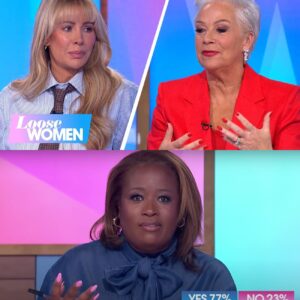
  • SILENCED AND SUFFERING: 84% of Women Feel Dismissed by Doctors as UK Healthcare Fails to Listen! Loose Women Expose Shocking Misdiagnoses, Postnatal Depression Trauma, and a National Epidemic of Incontinence – Why Are Women Still Fighting to Be Heard in the NHS?

    SILENCED AND SUFFERING: 84% of Women Feel Dismissed by Doctors as UK Healthcare Fails to Listen! Loose Women Expose Shocking Misdiagnoses, Postnatal Depression Trauma, and a National Epidemic of Incontinence – Why Are Women Still Fighting to Be Heard in the NHS?

    A staggering 84% of women in a recent UK government survey reported feeling unheard by healthcare professionals, a damning statistic that resonated powerfully with a Loose Women poll revealing a similar sentiment among their audience – 77% have felt dismissed by a doctor. This alarming consensus paints a grim picture of a healthcare system where women’s voices, symptoms, and concerns are routinely overlooked, leading to potentially dangerous misdiagnoses and prolonged suffering. The panel’s discussion exposed a systemic failure to listen, ranging from superficial assessments to a shocking lack of empathy in dealing with complex female health issues.

    Would You Feel More Comfortable With a Female Doctor? | Loose Women

    The conversation kicked off with a panelist sharing her own terrifying experience from last year. After suffering an “awful reaction around my eyes,” her GP prescribed a strong steroid cream, which, she later learned, should not be used heavily around the eyes. The cream “burnt all around my eyes,” forcing her to seek a specialist. The specialist revealed the external reaction was merely a symptom of a deeper, systemic issue: “Essentially, my body was shutting down. I was so tired and not getting much sleep, I was low in loads of vitamins.” The specialist warned that without intervention, she “would have collapsed in a couple of years and I wouldn’t have known the reason why.”

    The initial GP appointment, she lamented, failed to consider the internal factors. “They’d been looking at the external rather than the internal and didn’t really ask any other questions about it whatsoever.” It was only through seeking specialized help, driven by the severity of her symptoms (her skin was weeping so much she couldn’t wear makeup), that the root cause was identified. “It turned out that my it was a sign of my body slowly but surely shutting down.” This personal account underscored the critical need for doctors to look beyond surface symptoms and engage in thorough, holistic questioning.

    Tackling the Incontinence Taboo: The Panel Shares Their Experiences | Loose  Women

    Another panelist, admitting to pushing herself “really hard” for her age, echoed the sentiment of feeling “washed out” but unable to pinpoint the cause through conventional GP visits. She emphasized the critical importance of patient advocacy: “You have to own your own health, and my message today to viewers would be: own your own health, don’t be afraid to ask questions and keep pushing.” She also advised recording consultations with specialists, citing a cautionary tale of her mother who, years ago, was incorrectly told by an eye specialist that she didn’t have a tumour, a miscommunication that could have been avoided with a recording.

    The conversation then took a powerful turn towards mental health, particularly postnatal depression (PND). One panelist recounted a deeply traumatic experience after the birth of her son, Matty, when she was severely ill with PND. Her mother took her to the doctor, describing her as “almost catatonic” and “on the verge of a purple psychosis.” The GP, an older woman, responded with astonishing insensitivity: “Well, I had five children, dear, and I just didn’t have time to get depressed.

    Period poverty – a bloody big problem

    This shocking dismissal not only invalidated the panelist’s profound suffering but perpetuated a dangerous myth about PND – that it’s a choice or a weakness, rather than a severe medical condition often rooted in hormonal or chemical imbalances. “I have spent all of the time over my life trying to convince people that this doesn’t this comes on of its own accord, it doesn’t always have a reason,” she passionately asserted.

    The discussion then pivoted to Bella Hadid’s recent controversial comments in Vogue, where the supermodel, who lives with endometriosis and polycystic ovary syndrome (PCOS), suggested it should be “illegal to model while on her period” and advocated for women getting time off during menstruation. This sparked a nuanced debate on the fine line between acknowledging genuine suffering and inadvertently playing into misogynistic narratives that deem women “uncapable” due to their menstrual cycles.

    While acknowledging the risk of such narratives pushing women “back” and feeding into misogyny, the panel made a crucial distinction. For women with “normal periods,” advocating for time off might be seen as excessive. However, for those suffering from debilitating conditions like endometriosis and PCOS, the reality is vastly different. One panelist shared her sister’s harrowing journey with high-grade endometriosis, involving “multiple surgeries” and “many years of push back of… doctors not taking her seriously.” These chronic conditions, she stressed, profoundly affect a woman’s “ability to work.”

    The conversation highlighted the government’s belated efforts, with the Labour government reportedly “bringing in various different things into the system to try and improve the outcomes for women when it comes to things like heavy periods and things like polycystic ovaries and endometriosis.” However, the question remains: is it “too late” for the many women who have suffered for “many, many years without all this extra help”?

    The shocking realities faced by women were further underscored by an anecdote about a hairdresser with severe bleeding being turned away from A&E because they “haven’t got any pads here.” This highlights a profound lack of basic care and understanding within the healthcare system.

    The grim statistics further illustrate the crisis: despite claims of progress and investment in maternity units, waiting lists for gynaecology appointments across the UK have more than doubled in the last five years. Problems range from endometriosis to incontinence, a condition affecting approximately 3 million women in the UK, yet remains largely shrouded in embarrassment and silence.

    Denise Welch, with characteristic bravery, shared her own candid experience with incontinence, referring to it as “giggle dribble.” She emphasized using her platform to normalize the conversation, revealing how countless women have approached her, grateful for her openness. Incontinence, she stressed, is not exclusively linked to childbirth and affects women of all ages, including teenagers.

    The panel introduced the concept of Kegel exercises (or pelvic floor exercises), with one panelist admitting she had never heard of them until her gynaecologist, during a routine check, advised her to start immediately if she intended to have children. This highlights a significant gap in public health education. The discussion also touched upon how diet and drinks can affect bladder health, further underscoring the need for open dialogue and education.

    The call to action was clear: for those experiencing incontinence, seeking professional help is paramount. While some cases are manageable with simple solutions like pads, for others, it is “totally debilitating for their life.” In such cases, a proper consultation with a gynaecologist is crucial, as surgery can offer significant improvement.

    The overwhelming message from the Loose Women panel was a powerful plea for women to be persistent, demand to be heard, and advocate fiercely for their own health. In a system where 84% feel dismissed, the onus, sadly, falls too often on the individual to navigate a complex and frequently unresponsive healthcare landscape.

    What steps do you think individuals can take to ensure their health concerns are taken seriously by medical professionals?

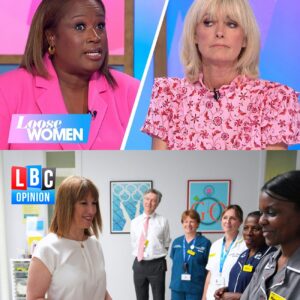
  • National scandal exposed: £4 billion for carers is a ‘drop in the ocean’ as real cost hits £184 billion! loose women panelist reveals agony of child carers and kate garraway’s desperate plea – is britain abandoning its most vulnerable?

    National scandal exposed: £4 billion for carers is a ‘drop in the ocean’ as real cost hits £184 billion! loose women panelist reveals agony of child carers and kate garraway’s desperate plea – is britain abandoning its most vulnerable?

    Rishi Sunak’s government has pledged to “renew Britain” with ambitious spending plans, including a colossal £29 billion per year extra for the NHS in England and increased cash for defense and housing. However, a recent segment on Loose Women laid bare a stark and deeply troubling reality: the £4 billion earmarked for adult social care is not just inadequate, it’s a “complete drop in the ocean” when juxtaposed with the true annual cost of care in the UK, estimated at a staggering £184 billion.

    Spending Review Reaction: Should NHS Boost Go to Unpaid Carers? | Loose Women

    The revelation ignited a furious debate among the Loose Women panelists, highlighting a systemic failure to support the millions of unpaid carers who form the backbone of Britain’s social care system. Their selflessness, often at immense personal cost, saves the state “an absolute fortune,” yet they remain woefully underfunded and largely invisible.

    One panelist immediately voiced the outrage felt by many: “It’s a complete drop in the ocean, isn’t it?” She further argued that while the NHS undoubtedly needs money, “we need reform before that, otherwise it just gets poured into this sort of black hole of inefficiency.” But the real indignation was reserved for the pittance allocated to carers. “Four billion for carers, for unpaid carers, it’s just nothing, is it really?

    The discussion quickly honed in on a truly shocking aspect of the UK’s care crisis: the existence of child carers. “The absolute scandal I still think of this country is that we still have child carers,” a panelist declared, emphasizing that if the £4 billion were to go anywhere, “it needs to be specifically targeted at children who are having to care for a parent.”

    The Panel Get Heated Debating Whether People Should Pay More For a Better NHS Service? | Loose Women - YouTube

    The harrowing reality of child carers was brought home by a powerful personal testimony from a Loose Women panelist, who recounted her own experience at just 16 years old. When her mother fell ill, she took on significant responsibility for her younger siblings. “I’d miss morning lessons in the morning so I could take them to school and to nursery, and I was doing parents evenings and I was doing a lot of the discipline and I was helping with the cooking when I would come home from school,” she revealed. “All of that stuff to sort of muck in and help within the family because we needed to ’cause there was no other help available.” Her story painted a stark picture of the immense burden placed on young shoulders, underscoring that “no child should have to really go through that.”

    The debate then shifted to the role of adult children in caring for elderly relatives, a sensitive topic where some argue it should be a “family’s responsibility.” While one panelist shared the blessing of having relatively independent elderly parents living next door, she acknowledged the immense pressure felt by many of her friends, including fellow Loose Woman Kaye Adams, and her colleague who cares for her mother. “It’s a lot, and imagine people doing that with no support and no money on top, it’s just too much.

    Spending review must invest in care if NHS is to improve,' says Confederation

    The discussion turned to the plight of Kate Garraway, who has spoken openly about the immense sacrifices she has made caring for her husband Derek Draper. The panel lambasted “unpleasant people” who dismiss Garraway’s struggles due to her public profile and income. “It makes no difference what you earn if you have to care for somebody 24/7, it has a drain, it has an effect on you,” one panelist asserted.

    A particularly disturbing anecdote from Garraway’s experience brought the systemic failures into sharp relief. Garraway reportedly called a helpline at her wit’s end, only for an unofficial response from a woman who suggested: “Just take him to A&E and leave him there.” This horrifying advice, born of desperation within a failing system, left the panelists aghast. “What sort of a system is that?” they demanded, highlighting that for many, this is the only perceived route to crisis support.

    The long-term consequences of inadequate carer support were also emphasized. The physical and mental strain can lead to carers becoming ill themselves, potentially losing their jobs, and even requiring hospitalization. “Surely that doesn’t make financial sense, because people are going to get ill and they’re going to have to lose their job, or then maybe end up in hospital themselves,” a panelist argued, advocating for robust home support for carers.

    The innate selflessness of carers, who rarely “go to the front of the queue and say ‘I need help’,” was identified as a tragic vulnerability that the state inadvertently exploits. “The state takes advantage of that because if you’re not making a noise, they’re not going to give you anything.

    Personal stories continued to illustrate the profound challenges. One panelist shared her experience caring for her mother who developed dementia after losing her partner. Her mother’s eventual move into a Marie Curie home and then back home required constant, round-the-clock care from her and her two sisters. Another panelist recounted the “nightmare” of trying to care for her own mother with dementia at home, describing it as “hellish” and a constant “fight like cat and dog.” Her mother eventually moved into a care home, which, despite the difficult decision, allowed for a “normal relationship” to resume, free from the constant strain of caregiving. This was only possible because her mother could “self-fund,” a privilege not afforded to all.

    The crucial issue of financial planning for old age and illness was raised, with the panelists lamenting that “not a lot of people think far enough ahead.” However, they also acknowledged the harsh reality that for those in low-paying jobs, saving simply isn’t an option. “Not everybody can save, and those are the people that that we need this money to be targeted towards.

    The conversation concluded with a powerful call for greater awareness and preparedness, particularly regarding Power of Attorney for health decisions, a critical tool for ensuring a person’s wishes are respected if they become unable to communicate them. An emotional message from a viewer named Yvonne, who cares for her husband Neil while battling her own health issues, underscored the immense love and dedication present within the caring community, despite the overwhelming challenges.

    The Loose Women panel ended with a heartfelt round of applause for all unpaid carers, recognizing their immense, often invisible, contributions. The segment served as a stark reminder that while government spending plans may paint a picture of national renewal, the true measure of a society lies in how it supports its most vulnerable citizens – and on that front, Britain has a long, long way to go.

    What more can be done to truly recognize and support the invaluable work of unpaid carers in the UK?